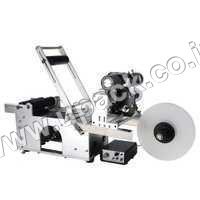
About Dry Ink Coding Machine
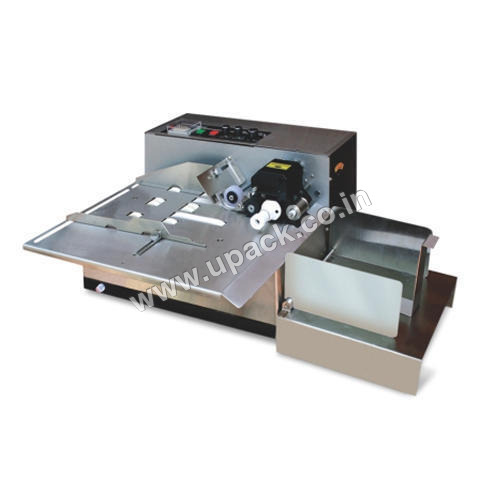
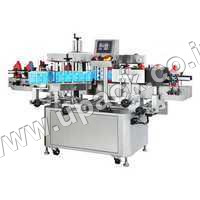
A dry ink coding machine is a type of printing machine used for printing product information, such as batch numbers, date codes, and barcodes onto packaging materials, such as paper, plastic film and aluminium film. Unlike other types of printing technologies, such as inkjet printing or thermal transfer printing, dry ink coding machine uses a process called hot stamping to create an imprint on the packaging material. Dry ink coding machine is commonly used in the food and beverage, pharmaceutical, and cosmetic industries, as well as in other manufacturing settings where product traceability and identification are important.
Versatile Printing CapabilityThis coding machine adapts to various packaging surfaces such as plastic, aluminum foil, and laminated film, offering flexibility for diverse production environments. Its adjustable character height, print position, and multi-language support lend it particular suitability for industries that require frequent changes in label specifications or export standards.
User-Friendly Maintenance and OperationMinimal maintenance, quick ribbon changes, and straightforward manual or electrical controls combine to ensure ease of operation. Operators can make swift adjustments or switch ink rolls without prolonged downtime, keeping production lines moving efficiently with minimal intervention.
Reliable Performance and Durable BuildManufactured with high-quality stainless steel and aluminum alloy, this machine combines robustness with reliability. Its electric motor drive delivers consistent high-precision coding, while a noise level below 65 dB guarantees a quieter working environment even at maximum speeds of 3600 prints per hour.
FAQ's of Dry Ink Coding Machine:
Q: How do I adjust the print position and character height on the Dry Ink Coding Machine?
A: The print position and character height can be manually adjusted using the designated controls on the machine. Character height ranges from 2mm to 12mm, allowing for customization based on your packaging requirements. Refer to the user manual for step-by-step guidance on making these adjustments.
Q: What types of packaging materials are compatible with this coding machine?
A: This machine is compatible with plastic film, laminated film, aluminum foil, and paper. It accommodates materials up to 3 mm thick and works best with a roller width of 35 mm, ensuring flexibility for a wide range of packaging needs.
Q: Where is this machine typically used in the production process?
A: The Dry Ink Coding Machine is commonly deployed on packaging lines to print manufacturing dates, batch codes, and expiry dates directly onto product packaging before final sealing and shipment. It's ideal for food, pharmaceutical, and other sectors demanding clear traceability.
Q: What is the process for changing the dry ink ribbon, and how often should it be done?
A: Changing the dry ink ribbon is simplified with the machine's quick-change mechanism. The process can be completed in just a few steps, minimizing downtime. Frequency of change depends on print volume, but the fast-drying ink roll is designed for high capacity and long-lasting use.
Q: Who benefits most from using this machine?
A: Manufacturers, distributors, exporters, and suppliers who require fast, clear, and reliable date or batch coding on packaging benefit greatly from this machine. Its high speed and minimal maintenance suit high-volume operations and environments with frequent language or design changes.
Q: How much maintenance does this coding machine require?
A: The coding machine is engineered for minimal maintenance. Routine cleaning and periodic checks of moving parts are typically sufficient. There are no complex computerized systems, making upkeep straightforward and cost-effective.
Q: What are the main advantages of using fast-drying dry ink roll technology?
A: Fast-drying dry ink roll technology delivers crisp, smudge-free prints and reduces wait times, ensuring that packages can be handled promptly after coding without risk of ink transfer or smearing. This increases production efficiency and maintains print quality over high-volume runs.





 Send Inquiry